
KAINCHA RED, Abrus precatorius, commonly known as rosary pea or jequirity, is a plant that is traditionally used in various cultures for its potential medicinal properties. However, it’s essential to be aware that this plant contains a highly toxic compound called abrin, which can be fatal if ingested. As a result, any use of Abrus precatorius should be approached with extreme caution. Here are some traditional uses and potential health benefits, but it’s crucial to emphasize the dangers associated with its toxicity:
1.Traditional Medicine: In some traditional medical systems, certain parts of Abrus precatorius, such as the seeds and roots, have been used for their purported medicinal properties. It has been used to treat various ailments, including fevers, coughs, and skin conditions.
2.Analgesic Properties: In traditional medicine, the plant has been used as a pain reliever. However, due to its toxicity, this use is highly discouraged.
3.Immunomodulatory Effects: Some studies suggest that certain compounds in Abrus precatorius may have immunomodulatory effects, meaning they can potentially influence the immune system. This could have applications in the field of immunology, but research is ongoing.
4.Antimicrobial Activity: Abrus precatorius extracts have demonstrated antimicrobial properties in some studies, suggesting potential use in addressing certain bacterial and fungal infections. However, the toxicity issue makes it unsuitable for such purposes.
5.Anti-Inflammatory Effects: The plant may contain compounds with anti-inflammatory properties. This could be relevant in treating conditions characterized by inflammation. Still, the dangers associated with its toxicity outweigh any potential benefits.
6.Anticancer Research: Some preliminary research has examined the potential anticancer properties of Abrus precatorius. Certain compounds found in the plant have shown cytotoxic effects in laboratory settings. However, this is an area of active research and should not be interpreted as a safe or effective treatment for cancer.
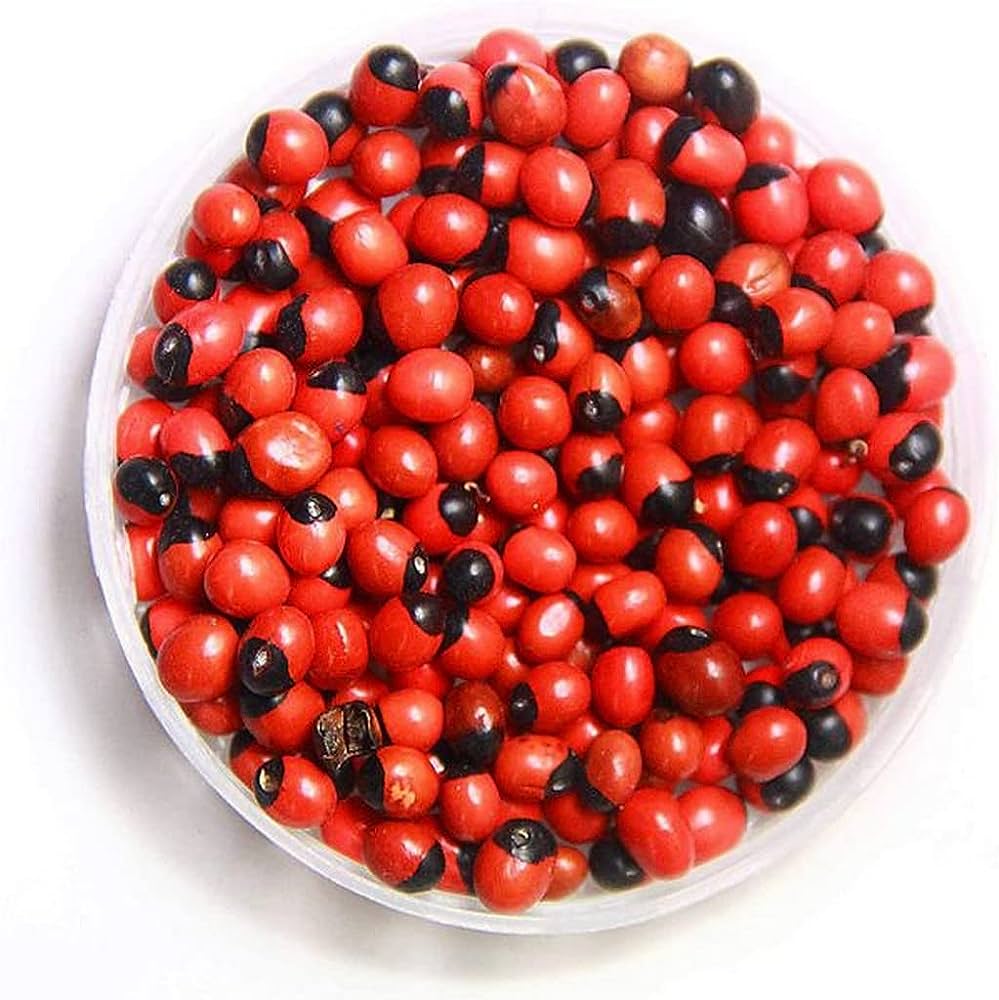
KAINCHA RED
Price range: ₹100.00 through ₹600.00
+ ShippingTraditional Uses: Jequirity has a history of traditional medicinal use for ailments like fevers, coughs, and skin conditions.
Analgesic (Pain Relief): It has been used as a pain reliever, but its extreme toxicity makes this usage highly discouraged.
Immunomodulatory Effects: Some compounds in Jequirity may influence the immune system, though ongoing research is needed to fully understand this aspect.
Antimicrobial Activity: Jequirity extracts have demonstrated antimicrobial properties, indicating potential for addressing infections. However, its toxicity limits its practical use.
Anti-Inflammatory Effects: Compounds in the plant may possess anti-inflammatory properties, potentially relevant for inflammation-related conditions. Nevertheless, the risks of toxicity remain a significant concern.
Anticancer Research: Preliminary research has explored potential anticancer properties, but this is an area of ongoing study and should not be considered a safe or effective cancer treatment.
| Weight | 100gm, 250gm, 1kg |
|---|
Related products
-
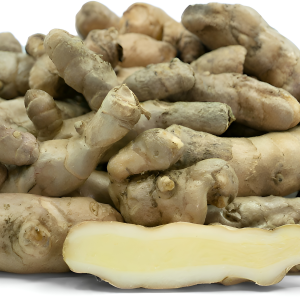 Product
AMBA HALDI
Price range: ₹65.00 through ₹400.00 Select options This product has multiple variants. The options may be chosen on the product page -
 Product
APAMARGA SEEDS
Price range: ₹290.00 through ₹1,800.00 Select options This product has multiple variants. The options may be chosen on the product page -
 Product
AMLA
Price range: ₹30.00 through ₹180.00 Select options This product has multiple variants. The options may be chosen on the product page -
 Product
ALEICHA (BIG)
Price range: ₹515.00 through ₹3,200.00 Select options This product has multiple variants. The options may be chosen on the product page
Reviews
There are no reviews yet.